Powell River Top General Contractor for Residential Projects
Powell River Top General Contractor for Residential Projects
Blog Article
General Contractor: Your Valuable Professional for Home Endeavors
A general contractor performs an vital role in residential undertakings. They coordinate numerous aspects of construction, making sure that work advances without issues. Their proficiency in construction standards and regulations allows them to navigate the difficulties of authorizations and examinations. This skilled professional functions as an essential connection between clients and trade specialists. However, many homeowners feel uncertain about the entire scope of their services. Understanding these details can greatly affect the success of any renovation project.
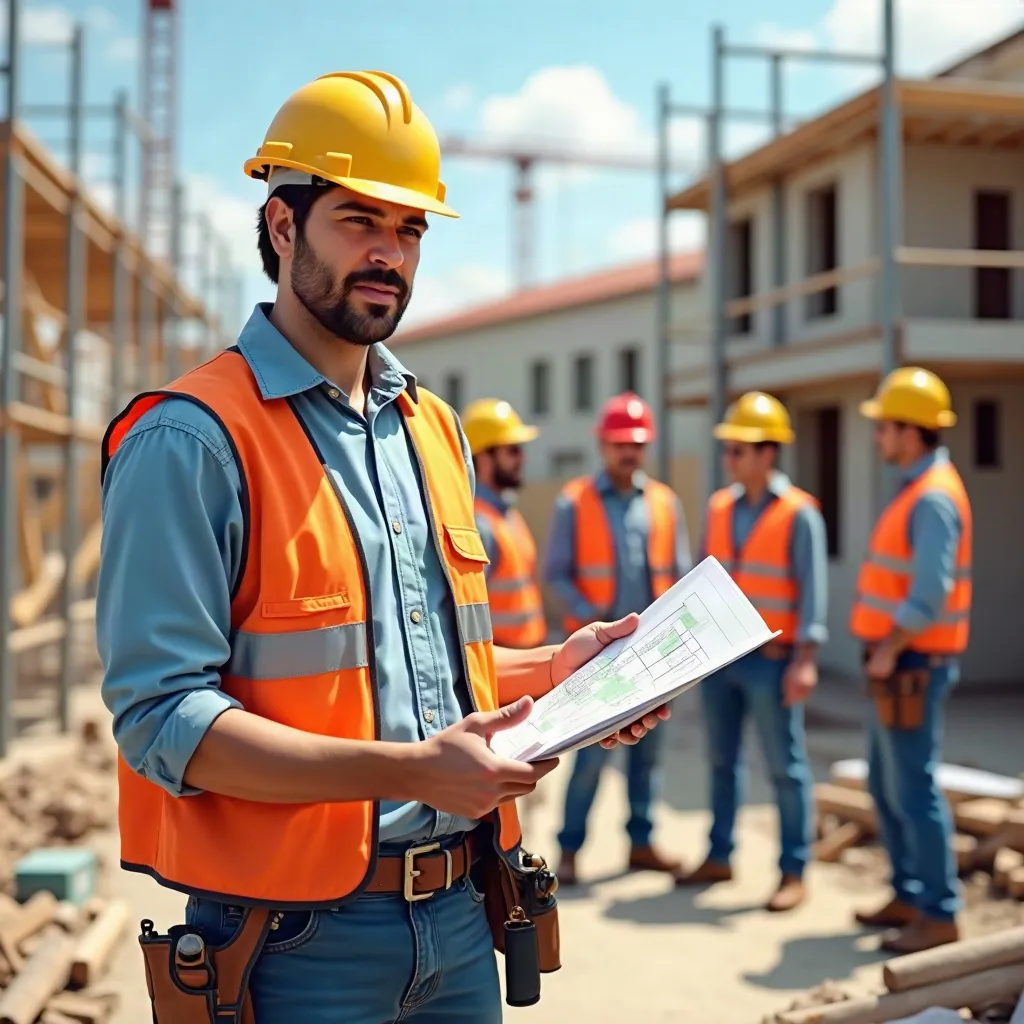
What Does a General Contractor Perform?
A general contractor directs the various elements of a construction project, making certain that operations proceed without interruption from initiation to read the information completion. They act as the chief communication hub, handling dialogue between project owners, subcontractors, and suppliers. This responsibility involves structuring the work schedule, coordinating crew members, and verifying compliance with area construction rules and regulations.
General contractors are in charge of obtaining necessary permits and scheduling inspections, which are essential to upholding safety and quality benchmarks. They also handle budget planning, material procurement, and overseeing site operations to mitigate any potential delays or issues. In addition, they oversee subcontractors, ensuring that each phase of construction conforms to project specifications and timelines. Overall, a general contractor's knowledge and management abilities are crucial for delivering a successful construction project, transforming a client's vision into reality while balancing multiple tasks and responsibilities.
Benefits of Hiring a General Contractor for Home Renovations
Retaining a a general contractor for home renovations provides countless advantages that can greatly boost the quality and efficiency of the project. General contractors bring specialized knowledge in project management, ensuring that schedules are kept and resources are allocated effectively. Their established connections with subcontractors can generate better rates and superior workmanship, which finally helps property owners regarding both time and money.
Furthermore, general contractors address the complex elements of approvals and reviews, limiting conceivable compliance concerns. They also supply a one main contact, facilitating communication and coordination among various trades. This streamlining lowers the likelihood of misunderstandings and delays.
In addition, their experience enables them to recognize potential challenges, allowing proactive solutions to keep the project on track. By hiring a general contractor, homeowners can focus on their vision while savoring peace of mind, knowing that a professional is directing every aspect of the renovation.
Refuting Common Myths About Construction Contractors
While many homeowners may hold misconceptions about contracting experts, understanding the realities can result in more sound decisions. One popular myth is that hiring a contractor is not required for minor projects; nevertheless, their expertise can facilitate even minor renovations, guaranteeing compliance with local codes. Another widespread belief is that general contractors are merely middlemen, but they frequently have in-depth knowledge in various trades, enabling them to manage projects efficiently. Additionally, some clients believe that working with a contractor will notably increase costs. In fact, a skilled contractor can often negotiate better pricing for materials and labor due to established relationships with vendors and subcontractors. Lastly, many consider that contractors are unyielding, but reputable contractors value client communication and collaborate closely to address unique needs. Resolved myths can empower homeowners to capitalize on the genuine value of contractors in achieving productive home projects.
How to Choose the Right General Contractor?
How can property owners ensure they choose the right construction professional for their projects? The procedure starts with comprehensive investigation. Property owners should seek recommendations from friends, family, or online reviews to find qualified contractors. Once a list is created, confirming qualifications, such as licensing, insurance, and bonding, is crucial to verify legitimacy.
Next, property owners should ask for and examine portfolios of past projects, concentrating on projects similar in scope. Scheduling meetings allows property owners to gauge compatibility, discussing timelines, budgets, and expectations. It's also recommended to obtain multiple quotes for comparison, providing a clear understanding of expenses.
Examining references provides insight into a contractor's dependability and expertise. Ultimately, trusting one's instincts is crucial; an opening discussion can reveal much about a contractor's communication style and approach. By implementing these procedures, homeowners can substantially improve their chances of selecting a general contractor who suits their requirements and aspirations.
Powerful Messaging Tactics For Working Alongside Your General Contractor
How can homeowners employ methods to guarantee effective communication with their general contractor? Creating transparent communication from the commencement is important. Homeowners must explicitly state their requirements, project objectives, and spending restrictions during opening conversations. Regular communications can be promoted through planned meetings, making certain that both parties stay coordinated throughout the project.
Applying written documentation, such as project documentation and emails, reinforces spoken commitments and decreases confusion. Homeowners should likewise encourage open communication by inviting feedback and questions from the contractor, fostering a collaborative environment.
Moreover, utilizing digital tools, including project management apps, can improve communication by providing a unified platform for exchanging updates, timelines, and changes. Finally, being courteous and accessible can strengthen rapport, allowing it simpler for the contractor to communicate challenges or suggestions successfully. By implementing these strategies, homeowners can develop a productive and open relationship with their general contractor.
What to Prepare For When Your Project Launches?
When the project gets underway, homeowners should prepare for a wave of movement on-site. The construction manager will oversee groups of qualified craftspeople, comprising electricians, plumbers, and carpenters, who will begin their work in accordance with the established timeline. Homeowners may observe heavy machinery and materials being transported, producing a bustling environment.
Keeping communication is essential during this stage. The contractor will furnish progress reports on work being done and address any concerns that develop. Homeowners should get ready for potential disruptions, such as noise and limited availability to select areas of the home.
Safety precautions will be in place to protect both workers and residents, providing a secure atmosphere. Additionally, homeowners may be encouraged to keep flexibility, as unforeseen issues can arise, necessitating adjustments to the original plan. Overall, this initial phase establishes the foundation for the successful completion of the project, and active engagement is essential.
Essential Questions for Your General Contractor Agreement?
Selecting the appropriate questions to raise when finalizing a general contractor agreement is necessary for confirming a successful project. Homeowners should inquire about the contractor's permit and coverage to confirm their qualifications and protection against claims. Understanding the project duration and milestones is essential; therefore, asking about anticipated completion dates helps establish expectations.
It is also crucial to establish payment terms, such as deposit amounts and payment schedules, to avoid misunderstandings. Homeowners should ask for a comprehensive itemization of costs, covering materials and labor, to ensure clarity. Furthermore, addressing the process for managing modifications or unexpected problems can avoid conflicts down the road.
In conclusion, homeowners should research information about the qualifications of their subcontractors, as well as the communication strategy of the contractor throughout the project. By considering these questions, homeowners can develop a strong relationship with their lead contractor, ultimately leading to a successful construction project.
Frequently Asked Questions
What Ways Do General Contractors Use to Charge for Their Services?
Contractors usually charge by way of flat fees, hourly rates, or a proportion of the overall budget. Their pricing model may also contain building materials, work performed, and business expenses, subject to the intricacy and breadth of the project.
Can a General Contractor Assist With Permits and Assessments?
Yes, a construction contractor can help with securing permits and managing inspections. They routinely handle local codes and confirm adherence, streamlining the process for homeowners while enabling necessary approvals throughout the construction undertaking.
What Skills Should I Seek in a General Contractor?
When selecting a construction professional, one should consider credentials such as proper licensing, insurance, experience in relevant projects, solid recommendations, and strong communication abilities, guaranteeing they possess the necessary expertise to oversee the project successfully.
How long Does a Typical Home Renovation Project Take?
A conventional home renovation project can consume anywhere from a few weeks to several months, determined by the scope, complexity, and size of the project, as well as the obtainability of materials and labor.
What Takes Place if My Project Overshoots Spending Cap?
If a project exceeds the budget, the builder typically discusses the causes and alternatives with the homeowner. Adjustments may include reducing scope, seeking additional funding, or modifying the project parameters to match budget constraints.
Report this page